Innovative and Collaborative Approaches to Optimizing Marine, Agricultural, and Archipelagic Resources for Sustainable National Development
THE 2ND INTERNATIONAL CONFERENCE ON ENVIRONMENTAL SCIENCES, AGRICULTURE, AND SUSTAINABILITY
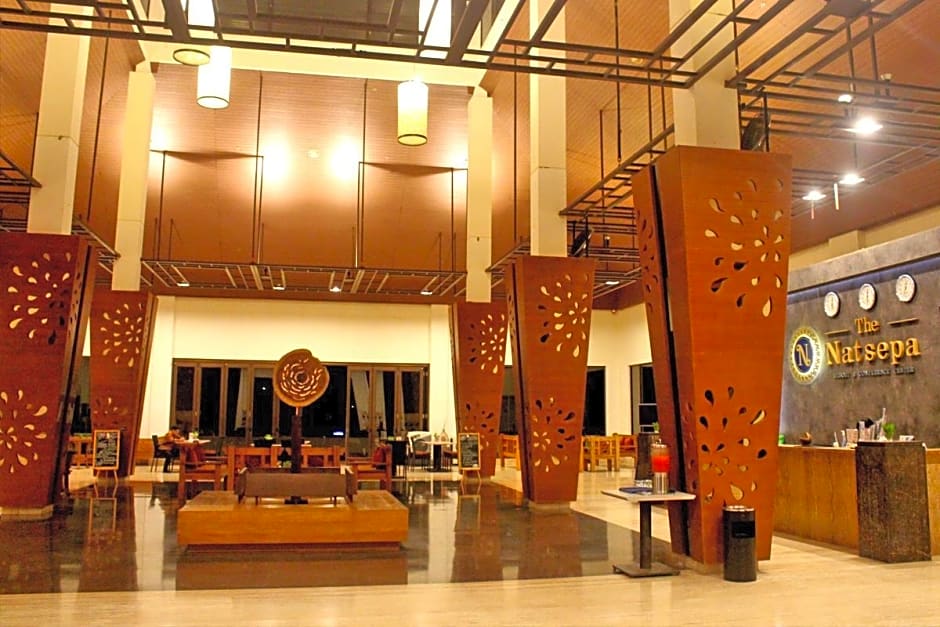
October 28 2026, The Natsepa Hotel & Resort, Ambon, Maluku, Indonesia
Countdown is finished!
Lorem Ipsum is simply dummy text of the printing and typesetting industry. Lorem Ipsum has been the industry's standard dummy text ever since the 1500s
about
About The International Conference
Our About. We're adding
more every day.
The 2nd International Conference on Environmental Sciences, Agriculture, and Sustainability (ICESAS 2026) is an international academic forum organized by the Postgraduate Program of Universitas Pattimura, Ambon, Indonesia. The conference is designed to facilitate the exchange of scientific ideas, interdisciplinary research findings, technological innovations, and policy-oriented solutions related to environmental sustainability, marine and coastal resource management, sustainable agriculture, renewable energy, green technology, blue economy development, and sustainability transformation.
Carrying the theme “Innovative and Collaborative Approaches to Optimizing Marine, Agricultural, and Archipelagic Resources for Sustainable National Development,” ICESAS 2026 emphasizes the strategic importance of marine, agricultural, coastal, and archipelagic resources in supporting sustainable national development. The conference provides a platform for researchers, academics, practitioners, policymakers, postgraduate students, and development stakeholders to present research and build collaborations that contribute to sustainability, resilience, and impactful development, particularly in island and coastal regions.
ICESAS 2026 is aligned with the broader institutional commitment of Universitas Pattimura and its Postgraduate Program to promote innovation, collaboration, sustainability, and impactful contributions toward Indonesia Emas 2045. Through keynote speeches, scientific presentations, panel discussions, and international networking, the conference aims to strengthen research-based approaches to environmental challenges, climate change, food security, marine resource governance, blue economy development, renewable energy, green technology, and sustainable livelihoods.
We welcome scholars, researchers, practitioners, government agencies, non-governmental organizations, industry partners, and postgraduate students to participate in ICESAS 2026 and contribute to the advancement of sustainable development through science, innovation, and collaboration.
Topics
Scientific Chamber Topics
Our Topics. We provide
interesting topics.
Environmental Quality, Ecotoxicology, Pollution Control, and Ecosystem Restoration
This scope covers scientific studies related to environmental quality, pollution assessment, ecotoxicology, sediment and water quality, catchment management, ecological rehabilitation, ecosystem restoration, and environmental risk assessment. It emphasizes research that supports evidence-based environmental management and practical solutions for reducing environmental degradation in coastal, island, rural, and urban contexts.
Marine, Coastal, and Archipelagic Resource Sustainability
This scope focuses on the sustainable management of marine, coastal, fisheries, and archipelagic resources to support ecological resilience, blue economy development, and sustainable national growth. It encourages interdisciplinary studies that integrate marine science, coastal management, biodiversity conservation, fisheries innovation, and small-island development.
Climate-Smart Agriculture, Agrometeorology, Food Security, and Sustainable Livestock Systems
This scope addresses sustainable agriculture, agrometeorology, climate-smart farming, food security, sustainable livestock management, agroecology, and rural resilience. It highlights the importance of integrating agricultural science, climate information, crop-weather analysis, livestock innovation, and local resource management to strengthen food systems in coastal, rural, and island communities.
Renewable Energy, Advanced Materials, Carbon Capture, and Green Technology
This scope includes research on renewable energy, energy storage, green technology, low-carbon innovation, advanced materials, carbon capture, environmental engineering, and sustainable infrastructure. It emphasizes technological and scientific innovations that support clean energy transition, sustainable industrial development, and environmentally responsible infrastructure for island, coastal, rural, and urban regions.
Sustainable Supply Chains, Circular Economy, Blue Economy Policy, and Natural Resource Governance
This scope covers the management, policy, economic, and governance dimensions of sustainability, with particular attention to sustainable supply chain management, operations and production systems, circular economy, blue economy policy, community empowerment, and natural resource governance. It encourages studies that connect scientific innovation with practical implementation, institutional collaboration, and sustainable development policy.
speakers
Our Speakers
Our speakers. We added
a really amazing speaker.
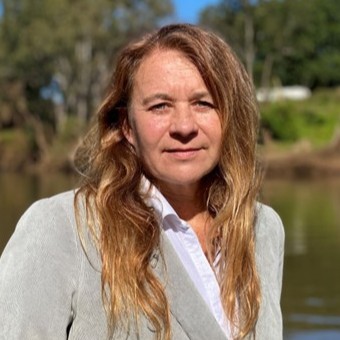
Prof. Amanda Reichelt-Brushett, Ph.D
Southern Cross University - Australia
Ecotoxicology, Rehabilitation and Restoration, Environmental Science, Catchment Management, Sediment and Water Quality, Pollution.
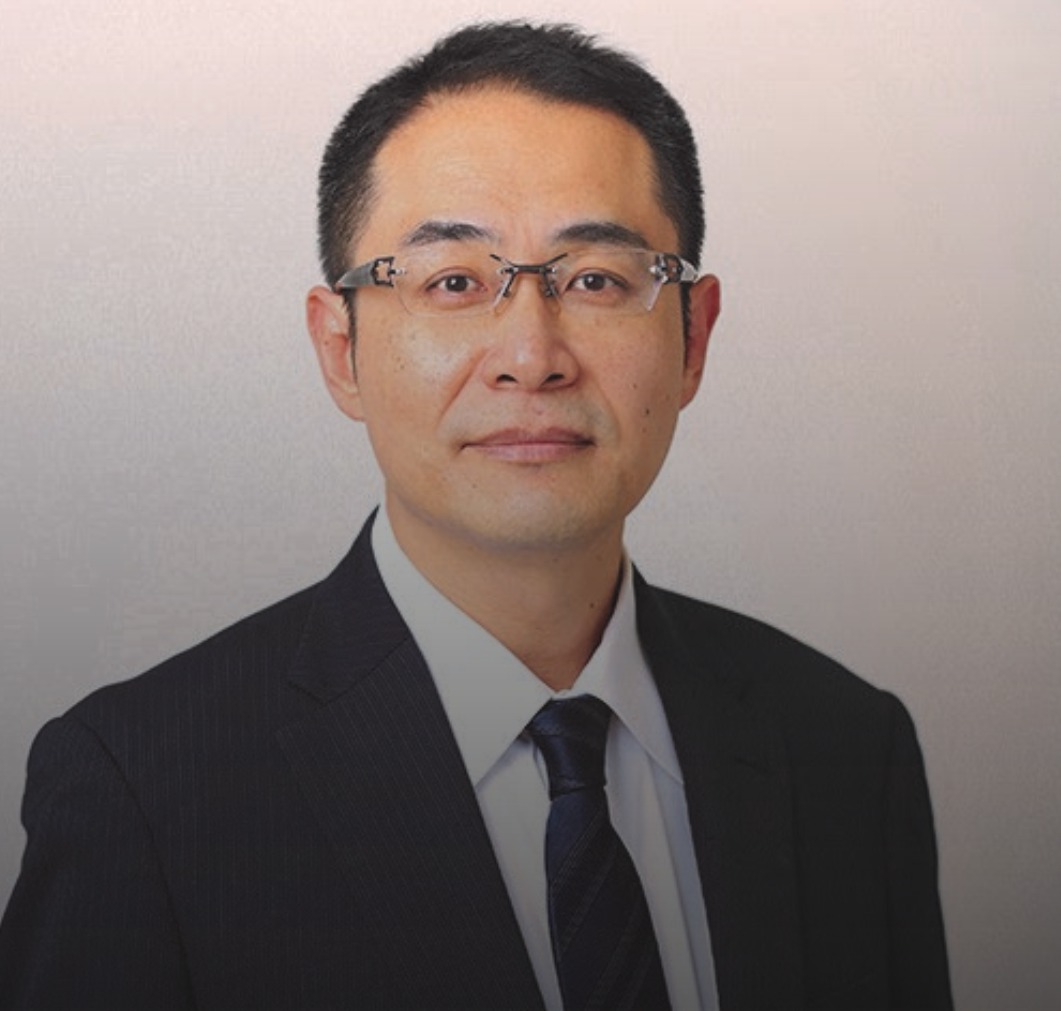
Prof. Dr. Eng. Koichi Murata
Nihon University - Japan
Sustainable Supply Chain Management, Operations and Production Management.

Prof. Peter Strausz, Ph.D
Corvinus University of Budapest - Hungary
Sustainable Livestock and Agricultural Management.
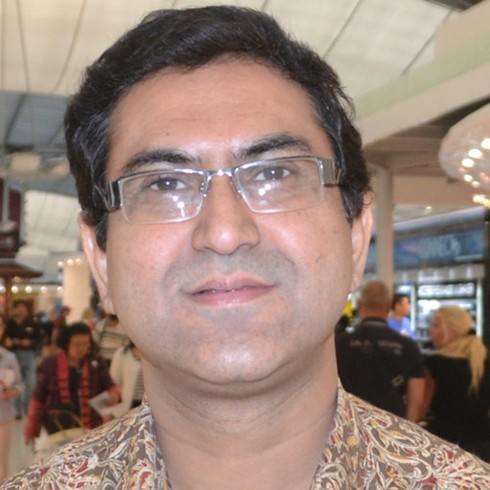
Prof. Dr. Saon Banerjee
Bidhan Chandra Krishi Viswavidyalaya - India
Agricultural Meteorology, Climate Change Impact on Agriculture
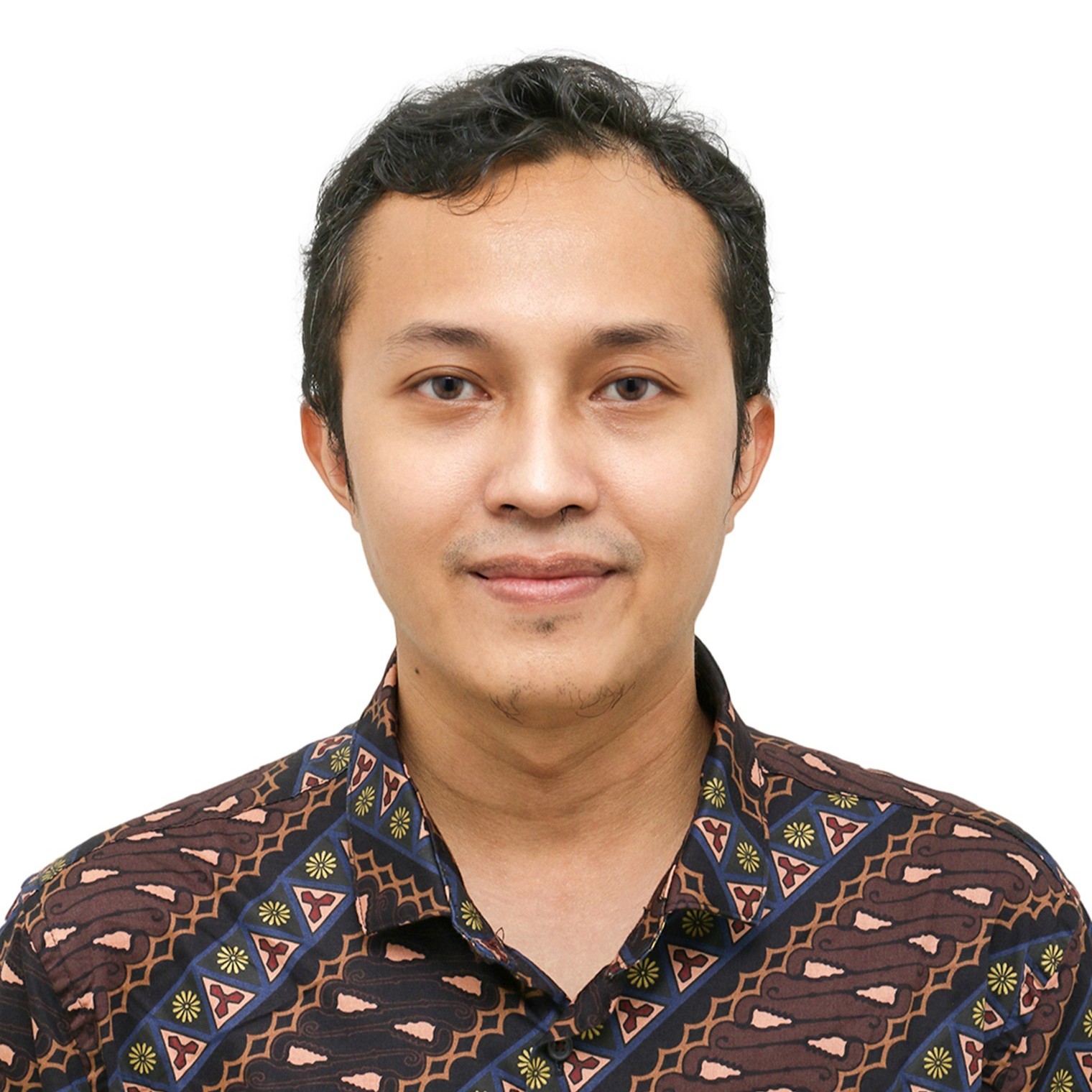
Prof. Aditya Wibawa Sakti, Ph.D
Waseda University - Japan
Materials Science, Lithium-Ion/Sodium-Ion Batteries, Carbon Capture, Computational Chemistry, Molecular Simulation, Physical Chemistry, Density Functional Theory/DFT, Molecular Dynamics.

Prof. Wilma Latuny, Ph.D.
Pattimura University - Indonesia
Artificial Intelligence, Artificial Neural Network, Computing in Mathematics, Natural Science, Industrial Engineering, Petroleum Engineering
Publications
Publications
The 2nd ICESAS 2026 committee has received an official publication offer from IOP Publishing for the publication of selected proceedings articles in IOP Conference Series: Earth and Environmental Science (EES).
All submitted full papers will undergo a peer-review and editorial screening process in accordance with the publication requirements of IOP Publishing. Papers considered for publication must be within the scope of IOP Conference Series: Earth and Environmental Science, the scope of ICESAS 2026, and must comply with the author guidelines, ethical standards, and editorial policies established by IOP Publishing.
The publication process will be managed through the mandatory publishing platform provided by Morressier, which will be used for paper submission and peer-review management.
Authors are required to ensure that their manuscripts meet the following requirements:
- The article must be within the scope of IOP Conference Series: Earth and Environmental Science.
- The article must be relevant to the scope and theme of ICESAS 2026.
- The article must follow the IOP Conference Series Author Guidelines.
- The article must comply with the IOP Publishing Ethical Guidelines.
- Each author is recommended to submit a maximum of two papers, including papers in which they serve as co-author.
Please note that publication is subject to the peer-review process, editorial evaluation, compliance with IOP Publishing policies, and final acceptance by IOP Publishing.
Further information regarding the journal scope, author guidelines, and ethical policies can be accessed through the following links:
- IOP Conference Series: Earth and Environmental Science Scope:
https://iopscience.iop.org/journal/1755-1315/page/scope - Author Guidelines for Conference Proceedings:
https://publishingsupport.iopscience.iop.org/author-guidelines-for-conference-proceedings/ - Ethical Guidelines:
https://publishingsupport.iopscience.iop.org/ethical-policy-journals/
Committees
Scientific Committees
| Prof. Dr. Richard. B. Luhulima, ST, MT | Pattimura University, Indonesia | Prof. Dr. Dominggus Rumahlatuh, S.Pd, M.Pd | Pattimura University, Indonesia | |
| Prof. Dr. Dra. Maria Nindatu, M.Kes | Pattimura University, Indonesia | Prof. Dr. Ch. I. Tupan, S.Pi, M.Si | Pattimura University, Indonesia | |
| Prof. Dr. H. Sinay, M.Si | Pattimura University, Indonesia | Prof. Ir. Irma Kesaulya, M.Sc, Ph.D | Pattimura University, Indonesia | |
| Prof. Dr. Christina Sososutikno, SE, M.Si, Ak, CA | Pattimura University, Indonesia | Prof. Dr. Tanwey G. Ratumanan, M.Pd | Pattimura University, Indonesia | |
| Prof. Dr. Ir. Johan Riry, MP | Pattimura University, Indonesia | Dr. Jeffry E.M. Leywakabessy, S.Pi, M.Si | Pattimura University, Indonesia | |
| Prof. Omar M. K. Mahasneh, Ph.D. | Al-Balqa Applied University, Jordan | Dr. Seng Tong Chong | University Tenaga Nasional, Malaysia | |
| Prof. Dr. Inero Valbuena Ancho | University of the Philippines Los Baños, Philippines | Ahmad Zufrie Abd Rahman | Pattimura University, Indonesia | |
| Prof. Dr. W. Mataheru, M.Pd | Pattimura University, Indonesia | Vasanthan | Nagaland University, India | |
| Arko Barman, Ph.D | Rice University, United States | Habil Peter Strausz, Ph.D | Corvinus University Of Budapest, Hungary | |
| Prof. Dr. Gábor Biczó | University of Debrecen, Hungary | Dr. Bagi Zoltán | University of Debrecen, Hungary | |
| Vahid Nimehchisalem | University of Economics and Human Sciences in Warsaw, Poland | Walton Wider | INTI International University, Malaysia | |
| Loh Kee Shyuan | University Kebangsaan Malaysia, Malaysia | Karthikeyan | National College, India | |
| Dr. Endurance Edigue Ewere | Southern Cross University, Australia |
Schedule
Conference Timeline
Conference Timeline
May 1 – September 14, 2026
Online Registration and Abstract Submission
September 15 – September 21, 2026
Abstract Screening by Committee
September 22 – September 28, 2026
Full Paper Submission
September 29 – October 5, 2026
Review Process by Scientific Committee
October 6, 2026
Notification of Acceptance
May 1 – October 20, 2026
Conference Payment
October 28, 2026
Conference Day
Post-Conference Timeline
October 29 – December 31, 2026
Post-Conference Paper Revision
December 31, 2026
Final Paper Submission
January 1 – January 31, 2027
Editorial Screening and Proceedings Preparation
February 1 – February 28, 2027
Submission to Prospective Proceedings Publisher
To be announced after the publication arrangement is finalized.
Article Processing Charge Payment
Discover Conference Register
Conference Fee
Presenter
- On-Site Presenter (75 USD or 750.000 IDR)
- On-Line Presenter (55 USD or 550.000 IDR)
Participant
- On-Site Participant (55 USD or 550.000 IDR)
- On-Line Participant (25 USD or 250.000 IDR)
Article Processing Charge
- Article International (150 USD)
- Article Domestic (2.500.000 IDR)
Venue
How to reach
Direction to the Venue
REACH US
Get Direction The Natsepa Hotel & Resort
Review & Editorial Policy
Purpose & Scope
ICESAS 2026 upholds rigorous, fair, transparent, and ethical scholarly standards. All submitted full papers will undergo a peer-review process coordinated by the Scientific Committee. Acceptance for presentation and publication consideration is based on scientific quality, originality, methodological rigor, relevance to the conference scope, ethical compliance, and successful completion of all editorial requirements.
Review Model
ICESAS 2026 applies a peer-review model to ensure academic quality and integrity. Each submitted manuscript will be evaluated by reviewers with relevant expertise in the manuscript’s subject area. Reviewer recommendations will be used by the Scientific Committee and Editorial Team to determine whether a paper is accepted, accepted with revision, or rejected.
Evaluation Criteria
Submitted papers will be evaluated based on the following criteria:
- Relevance to the scientific scopes of ICESAS 2026
- Originality and contribution to knowledge
- Clarity of research problem and objectives
- Methodological rigor and appropriateness
- Quality of data analysis and interpretation
- Relevance of findings to sustainability, resource management, or inclusive development
- Quality of academic writing and structure
- Compliance with ethical publication standards
Suitability for the prospective proceedings publisher
Ethics, Integrity, and Similarity
All authors must comply with ethical publication standards. Manuscripts must be free from plagiarism, data fabrication, falsification, duplicate submission, and unethical authorship practices. Similarity checking will be conducted as part of the editorial screening process. Papers that do not meet the required ethical and similarity standards may be rejected.
Use of AI Tools
Authors may use AI-assisted tools only for language improvement, formatting assistance, or technical editing, provided that such use does not replace the authors’ intellectual contribution. Authors remain fully responsible for the accuracy, originality, validity, and integrity of their manuscripts. The use of AI tools to generate fabricated data, unsupported references, or misleading content is strictly prohibited.
Conflicts of Interest
Authors, reviewers, and editors must disclose any potential conflicts of interest that may affect the fairness and objectivity of the review and editorial process. The Scientific Committee will take appropriate measures to ensure impartiality and transparency.
Authorship and Contributions
All listed authors must have made a substantial contribution to the research and manuscript preparation. The corresponding author is responsible for ensuring that all co-authors have approved the final version of the manuscript and agree to its submission.
Corrections, Withdrawals, and Retractions
The committee reserves the right to request corrections, reject manuscripts, withdraw accepted papers, or recommend retraction if ethical violations, serious errors, or publication misconduct are identified before or after publication.